Trends and Insights

Turning a Scan Into an Asset: How TV QR Mechanics Build First-Party Data

July 29, 2026
Share article

A Scan Is a Moment. A Record Is an Asset.

Every media brand has an audience. Very few have a way to turn that attention into a first-party data record they actually own. That's the gap QR-driven TV activations are built to close.

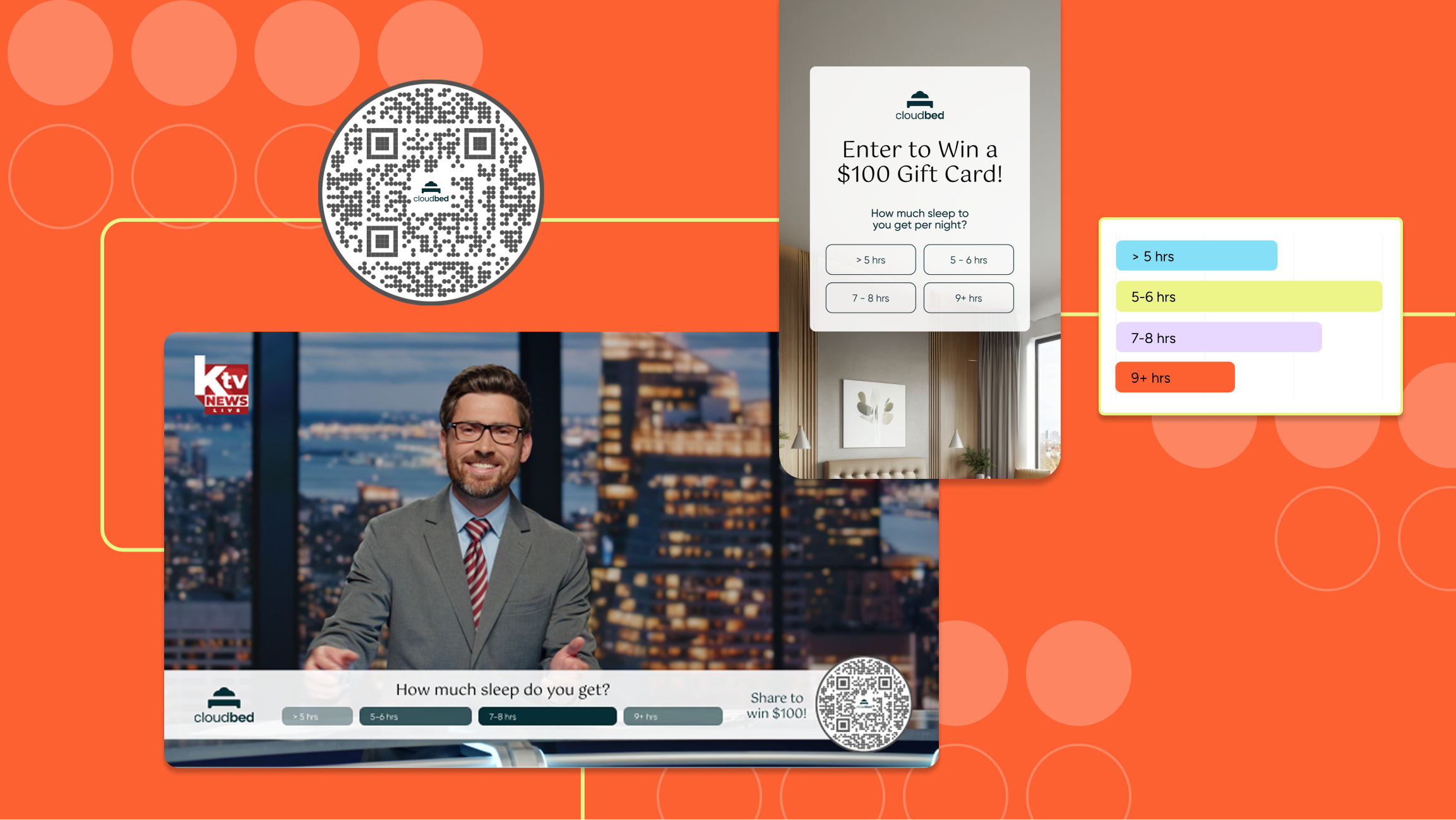
The mechanic itself is simple: a QR code appears on screen during a broadcast, live show, or sponsored segment. A viewer scans it with their phone, lands on a mobile entry experience, and completes a short action, an entry, an unlock, an offer. That single scan is the bridge between a passive viewing moment and an owned data record.

The mechanic isn't new. What makes it work at scale is what happens in the three seconds after the scan.

Why It Converts When Done Well

QR codes have a reputation problem. Most people have scanned one that led to a slow-loading page, an app store redirect, or a form asking for more than the moment warranted. The mechanic only works if the friction on the other side of the scan is close to zero.

The ask has to match the moment. A viewer scanning mid-show has seconds of attention, not minutes, so the entry form needs to be short enough to complete before that attention moves on. Everything happens on a phone, so the landing experience has to be built mobile-first, not adapted after the fact. And the value exchange has to be clear, viewers give up an email address or phone number because they understand what they're getting in return. Vague asks convert worse than specific ones.

Secure, low-friction data collection isn't just a technical requirement anymore, it's what makes the scan worth taking.

The Real Output Isn't the Scan

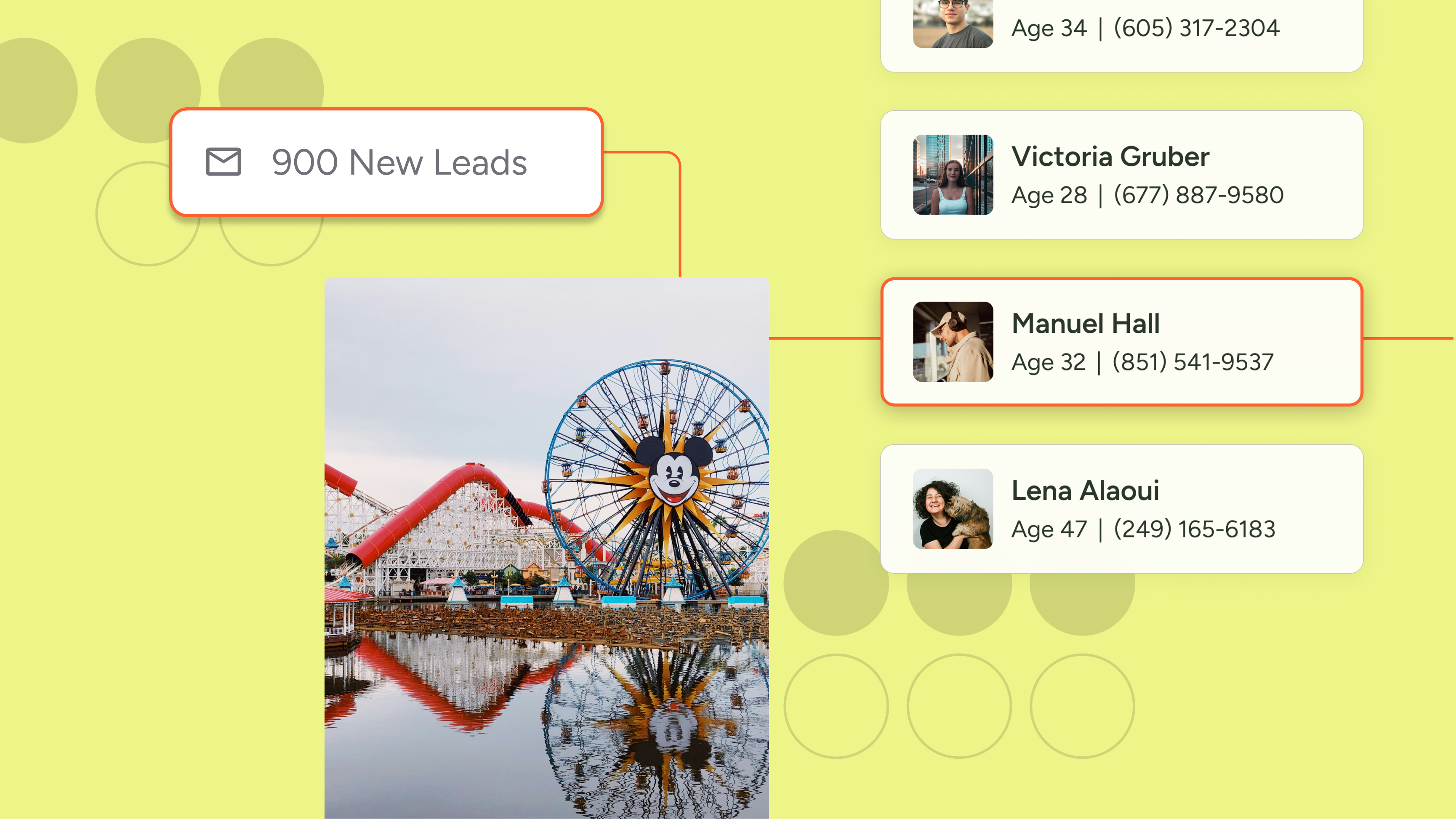
It's easy to treat scan counts as the win. But a scan is a moment, it happens once and disappears. A first-party data record, an opted-in email, a verified phone number, a consented contact, is an asset the brand keeps using long after the broadcast ends.

A QR mechanic that only appears once is a novelty. One that reappears every episode or every broadcast becomes a habit, and habits compound into database growth.

Publishers building this mechanic with the record in mind, not just the scan, are the ones seeing it actually grow a first-party data asset over time.

Where This Fits: Cast, Scan, and Intelligence

The TV overlay QR mechanic described here is Cast, Audience's product built specifically for broadcast overlay moments. It's one piece of a broader system.

Scan extends the same mechanic beyond the screen, to print, out-of-home, and in-person touchpoints. Intelligence is the layer that turns captured records into usable insight, so data collected through Cast or Scan actually informs strategy instead of sitting unused.

Individually, each product solves for a different moment of attention. Together, they give a media brand a consistent way to convert attention into an owned, growing database, no matter where that attention happens.

The Takeaway

QR codes aren't the innovation. A frictionless mobile experience behind the scan is. Brands that treat the moment after the scan as seriously as the on-screen design are the ones turning attention into an asset, rather than just a vanity scan count.

Audience.io helps media companies turn broadcast moments into owned first-party data, without adding friction for viewers or complexity for internal teams.

Share article

Up next